# Memphis Slim and Willie Dixon: Songs of Memphis Slim & Willie Dixon
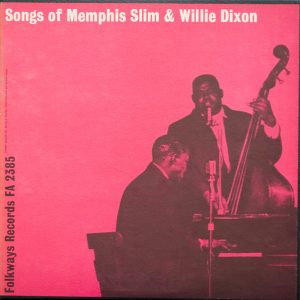
Memphis Slim and Willie Dixon stand as towering figures in the blues tradition, and their 1960 collaboration for Folkways Records captures two masters of the genre at work together. Memphis Slim, born John Pay Chapman, earned his reputation as a pianist and vocalist who bridged traditional blues with more modern urban sounds, while Willie Dixon, already established as a legendary bassist, composer, and producer, brought his distinctive low-end sensibility and songwriting prowess to countless Chicago blues recordings. Their partnership on this release represents a significant meeting of blues minds, showcasing the depth and breadth of their musical knowledge.
Released on the prestigious Folkways label, this album emerged during a period of renewed interest in American folk and blues traditions. Folkways Records, founded by Moses Asch, was renowned for its commitment to documenting authentic American music, and this pairing reflected the label's mission to preserve and celebrate blues heritage. The album presents a carefully curated collection that spans traditional folk-blues standards alongside original compositions by both artists.
The tracklist demonstrates the versatility and range of both musicians. The record opens with "Joggie-Boogie," establishing an energetic tone that carries through selections like "Stewball" and the timeless standard "John Henry." The three Kansas City tracks showcase extended explorations of regional blues variations, each offering distinct interpretations of the blues form. Side B opens with the darkly introspective "Have You Ever Been To Nashville Pen?" before moving through classics like "Roll And Tumble" and the socially conscious "Beer Drinking Woman" and "Chicago House Rent Party," which captures the spirit of informal neighborhood gatherings central to blues culture.
Musically, the album bridges traditional country blues with urban Chicago blues sensibilities. Memphis Slim's piano work provides sophisticated harmonic foundations while his vocals convey both humor and pathos. Willie Dixon's presence, whether directly participating or influencing the arrangements, brings structural sophistication and thematic depth. The selections progress through a landscape of social commentary, personal narrative, and pure musical expression, making this more than a simple collection of songs but rather a testament to a blues tradition in transition. For vinyl collectors interested in authentic blues documentation and the interplay between two genre legends, this Folkways pressing remains an essential acquisition.