
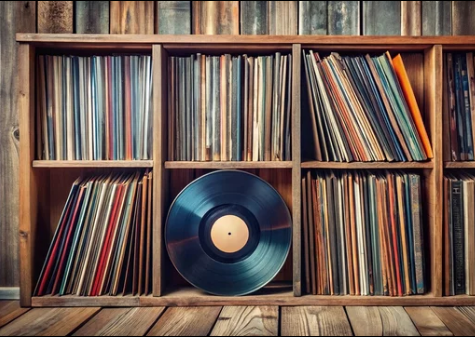
Learning how to start collecting vinyl records can feel overwhelming at first. Between pressing variations, grading standards, turntable specs, and endless genre rabbit holes, it’s easy to get lost before you’ve bought a single record. This guide breaks the process down into clear, practical steps so you can start collecting vinyl records with confidence — and avoid the mistakes most beginners make in their first few months.
1. Get a Turntable That Won’t Damage Your Records
Before you buy a single record, make sure your playback setup won’t ruin it. A surprising number of beginners start with all-in-one “suitcase” turntables sold at big box retailers. These often use a ceramic cartridge with excessive tracking force, which can wear down or even damage vinyl grooves over repeated plays.
At minimum, look for a turntable with:
- An adjustable counterweight and anti-skate control
- A magnetic (not ceramic) cartridge
- A replaceable stylus
You don’t need to spend a fortune. A properly calibrated entry-level turntable in the $150–$300 range will treat your records far better than an expensive-looking suitcase player.
2. Decide What You’re Collecting — and Why
Anyone learning how to start collecting vinyl records should first figure out what’s actually motivating the hobby. Collectors generally fall into a few overlapping categories:
- Music-first listeners who want to own physical copies of albums they love, regardless of pressing or edition
- Pressing collectors who chase specific pressings — first pressings, original stampers, particular countries of origin, or audiophile reissues
- Genre specialists who focus deeply on one style, like jazz, soul, or metal, often digging into obscure or regional releases
- Investment collectors who buy records they believe will appreciate in value over time
Most collectors end up as some blend of these, but having a general sense of your motivation early on will save you money and shelf space. If you’re mainly here for the music, don’t feel pressured to chase original pressings at premium prices — a well-made reissue will sound excellent and cost a fraction as much.
3. Understand Record Grading Before You Buy Used
Used vinyl is graded on a standard scale, most commonly the Goldmine Standard:
- Mint (M): Perfect, often still sealed
- Near Mint (NM or M-): Barely played, no visible wear
- Very Good Plus (VG+): Light signs of play, minimal surface noise
- Very Good (VG): Noticeable wear, audible surface noise during quiet passages
- Good (G) and below: Significant wear, likely to affect listening enjoyment
Grading applies separately to the record itself and its sleeve, usually written as two grades (e.g., “VG+/NM” means the vinyl is Very Good Plus and the sleeve is Near Mint). When buying used, always check both grades and factor sleeve condition into the price — a worn sleeve on an otherwise clean record is common and shouldn’t be a dealbreaker if you’re buying for the music. For a full breakdown of the grading scale and how to inspect a record properly, see our complete guide to grading records.
4. Learn Where to Buy
New collectors typically source records from four main places, each with tradeoffs:
- Local record stores: You can inspect condition in person, and staff often provide reliable recommendations, but selection is limited to what’s in stock
- Discogs: The largest online marketplace for both new and used vinyl, with detailed release and pressing information for nearly every record ever made
- eBay: Useful for rare or out-of-print pressings, though grading accuracy varies more by seller
- Record fairs and swap meets: Good for browsing large volumes quickly and negotiating prices directly with sellers
For your first purchases, local stores or well-reviewed Discogs sellers are the safest starting point — you’ll get more accurate grading and fewer surprises than with cold eBay listings.
5. Start With a Manageable Storage System
It’s tempting to skip this step early on, but poor storage is the single most common cause of avoidable record damage. At minimum:
- Store records vertically, never stacked flat
- Keep them out of direct sunlight and away from heat sources
- Use poly-lined inner sleeves if the originals are showing wear
- Avoid overpacking shelves — records need enough room to sit without warping under pressure
A basic crate or shelf is fine when you’re starting out. The habits matter more than the furniture at this stage.
6. Avoid the Most Common Beginner Mistakes
- Buying without checking playback equipment first — a bad cartridge can damage records before you even realize there’s a problem
- Overpaying for “rare” records that aren’t actually rare — always cross-check Discogs sales history before assuming a high price reflects real scarcity
- Ignoring sleeve condition — a damaged sleeve won’t protect the vinyl inside long-term
- Skipping a cleaning routine — even new records benefit from a basic cleaning before their first play
Frequently Asked Questions
How much money do I need to start collecting vinyl records?
You can realistically start collecting vinyl records for $250–$400, which covers a basic but reliable turntable ($150–$300) and your first handful of records ($10–$30 each). Costs rise quickly if you chase rare pressings, but there’s no requirement to start there.
Is it better to buy new or used records as a beginner?
New records guarantee condition and are the safest choice while you’re still learning to grade vinyl yourself. Used records are cheaper and offer access to out-of-print titles, but require more knowledge to buy confidently.
What’s the most common mistake beginners make when they start collecting vinyl records?
Using a low-quality all-in-one turntable is the most common and costly mistake. A poor cartridge can physically damage records over repeated plays, undermining the collection before it even gets going.
Do I need to clean new records before playing them?
Yes. Even factory-sealed new records can carry manufacturing residue and dust from the pressing process, so a basic cleaning before the first play helps protect both the record and your stylus.
Where to Go From Here
Once you’ve got a reliable turntable, a basic understanding of grading, and a safe storage setup, you’re ready to keep building your collection with confidence. From here, it’s worth exploring how to grade records, our record value guide, how to spot counterfeit records, and how to buy confidently on Discogs and eBay — all of which we cover in dedicated guides.